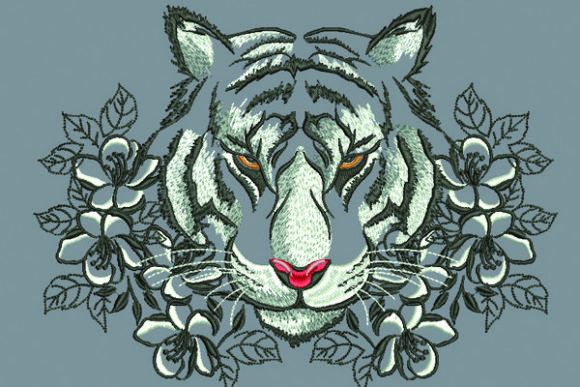
White Tiger Embroidery Design Review
The White Tiger embroidery design is a striking choice for small business merch, branded patches, and custom apparel. As an experienced embroidery designer, I’ve evaluated this piece for its visual appeal, practicality, and potential in real-world applications. From the first glance, it exudes a bold and fierce energy that can elevate any brand’s identity.
First Impressions: A Powerful Visual Statement
White Tiger immediately commands attention with its clean lines and dynamic composition. The design feels professional yet expressive, making it ideal for businesses aiming to project strength and sophistication. It has a modern edge while still retaining a touch of elegance, which makes it versatile across different industries—from cafes and boutiques to pet brands and creative studios.
This machine embroidery design works well as an embroidered patch or a chest logo accent. Its high level of detail ensures that it stands out on apparel, tote bags, and other merchandise without looking cluttered. The white tiger’s posture and facial expression convey confidence, which can reinforce brand messaging for businesses that want to appear strong and reliable.
Real Business Use: Versatility Across Merchandise
White Tiger is a great fit for small business merch, especially when used as a branded patch or embroidered detail on uniforms, aprons, and caps. Its size and structure make it suitable for both large and medium-sized patches, though it may require some adjustments for smaller applications.
For example, on a cap front, the design would need to be simplified slightly to maintain clarity at a smaller scale. Similarly, on curved surfaces like sleeves or tote bags, the placement and stitching direction should be carefully considered to ensure the finished product looks sharp and professional.
As a stitch-out, White Tiger performs well on a variety of fabrics, including cotton, polyester, and blends. However, the thread colors and stitch density should be reviewed to ensure they match the intended fabric and design purpose. For instance, on dark uniforms, the contrast between the tiger’s white fur and the background fabric needs to be strong enough to stand out clearly.
Where to Use With Caution
While White Tiger is a strong design, there are certain scenarios where it may not perform optimally. On small patch sizes, the intricate details might become too dense, leading to a less refined appearance. This could be a concern for businesses using the design on items like product labels or customer gifts, where space is limited.
Additionally, if the design is intended for use on textured fabrics or items that undergo frequent washing, the stitch density and stabilizer usage must be carefully managed. High stitch density can cause the fabric to pucker or the design to lose definition over time.
It’s also important to consider the placement of the design. On curved surfaces or caps, the design may require repositioning or resizing to ensure it sits correctly and maintains its visual impact.
Impact on Brand Identity and Customer Perception
White Tiger has the potential to significantly enhance a brand’s visual identity. Its bold and confident look can help build trust and recognition among customers. When used consistently across merchandise, it reinforces a cohesive brand image that feels professional and polished.
For handmade brands and Etsy sellers, this design can add a premium feel to their products. It can elevate the perceived value of custom apparel, tote bags, and other embroidered items, making them more appealing to buyers who prioritize quality and style.
When used as a design asset for commercial embroidery projects, White Tiger offers a strong visual foundation that can be adapted for different applications. Whether it’s for a boutique’s packaging, a bakery’s aprons, or a florist’s branded tote bags, the design adds a unique and memorable element to the finished product.
Practical Tips for Embroidery Designers
Before finalizing the use of White Tiger for a client, I recommend testing the design in black and white to assess how it will look on different fabrics. This step helps identify any issues with contrast, spacing, or stitch density that may not be apparent in color.
It’s also essential to check how the design works at smaller patch sizes. If the design is too detailed, it may need to be simplified or resized to maintain clarity. Additionally, reviewing the thread colors and ensuring they complement the fabric is crucial for achieving a professional finish.
When working with a digital embroidery file, confirm the hoop size required for the design and ensure it fits within the available space on the item being embroidered. Using the right stabilizer for the fabric type will prevent puckering and ensure the design holds up over time.
Creating a printable mockup for client approval can help visualize how the design will look on the final product. Comparing it with other design assets also ensures consistency across all branding materials.
Finally, always verify the commercial licensing terms before using the design for business purposes. This ensures that the design can be legally reproduced and sold without any issues.
Conclusion: A Strong Choice for Branded Merchandise
White Tiger is a compelling machine embroidery design that offers both visual appeal and practical versatility. Its bold and confident aesthetic makes it an excellent choice for small business merch, custom apparel, and branded patches. With careful consideration of placement, fabric type, and stitch settings, it can be successfully integrated into a wide range of embroidery projects.
For embroidery shops, apparel decorators, and handmade brands, this design provides a powerful tool for building brand identity and enhancing customer engagement. Whether it’s used on a café’s aprons, a boutique’s tote bags, or an Etsy seller’s product labels, White Tiger adds a distinctive and professional touch that can set a business apart from the competition.